Solutions & Solubility

SCH3U · Miss Peters · Definitions · Concentration · Dilution · Solubility Curves · Precipitation

Key Terms & Definitions
The language of solutions
Click each term to see its definition, example, and particulate view.
Remember: The solute dissolves INTO the solvent. Water is the "universal solvent" — it dissolves more substances than any other liquid. A solution is always a homogeneous mixture — you can't see the individual components.
Factors Affecting Dissolving
What makes things dissolve faster?
Click a factor to see the animation and explanation.
Concentration (Molarity)
C = n/V · mol/L
C = n/V
Adjust moles and volume — see concentration update live with a visual of the solution.
1.0 mol
1.0 L
Concentration
Type
Calculator: find n, C, or V
n = ×
C = n/V where C is in mol/L (or M), n in mol, V in litres. If you have mass, use n = m/mm first to find moles. Concentrated ≈ > 1 mol/L, dilute ≈ < 0.1 mol/L (approximate — depends on substance).
Dilution & Mixing Solutions
C₁V₁ = C₂V₂ · dilutions only (not reactions!)
C₁V₁ = C₂V₂
The moles of solute stay constant — only the volume changes. Watch the colour fade as you add water.
Initial (stock) solution
2.0
50
Water added (mL)
50
n solute
V₂ total
C₂ final
Mixing two solutions (same solute)
C = (C₁V₁ + C₂V₂) / (V₁ + V₂)
C₁:mol/L
V₁:mL
C₂:mol/L
V₂:mL
Key rule: C₁V₁ = C₂V₂ is for dilutions ONLY — you are adding water (or solvent), not reacting. Moles of solute are conserved. For mixing two solutions of the same solute, use C = n_total / V_total.
Solubility Curves
Solubility (g/100mL water) vs temperature
Hover over a substance to highlight its curve. Drag the temperature slider to read solubility values. The region above a curve = supersaturated; below = unsaturated.
25°C
Temperature25°C
Selected substanceKNO₃
Solubility at T
Trend
Above a curve = supersaturated (excess solute will crystallize) · On the curve = saturated (at maximum) · Below = unsaturated (can dissolve more). Most solids become more soluble with heat; gases become LESS soluble with heat (carbonated drinks go flat when warm).
Dissociation & Ion Concentration
What happens when ionic compounds dissolve
Select a compound — see its dissociation equation and calculate ion concentrations.
1.0 mol/L
Dissociation is a physical change — the ionic solid separates into its component ions in water. An electrolyte conducts electricity because of these free-moving ions. Mole ratios tell you the concentration of each ion directly from the compound's concentration.
Precipitation Reactions
Molecular · ionic · net ionic equations
Mix two solutions and see if a precipitate forms. Click a reaction to see all three equation types.
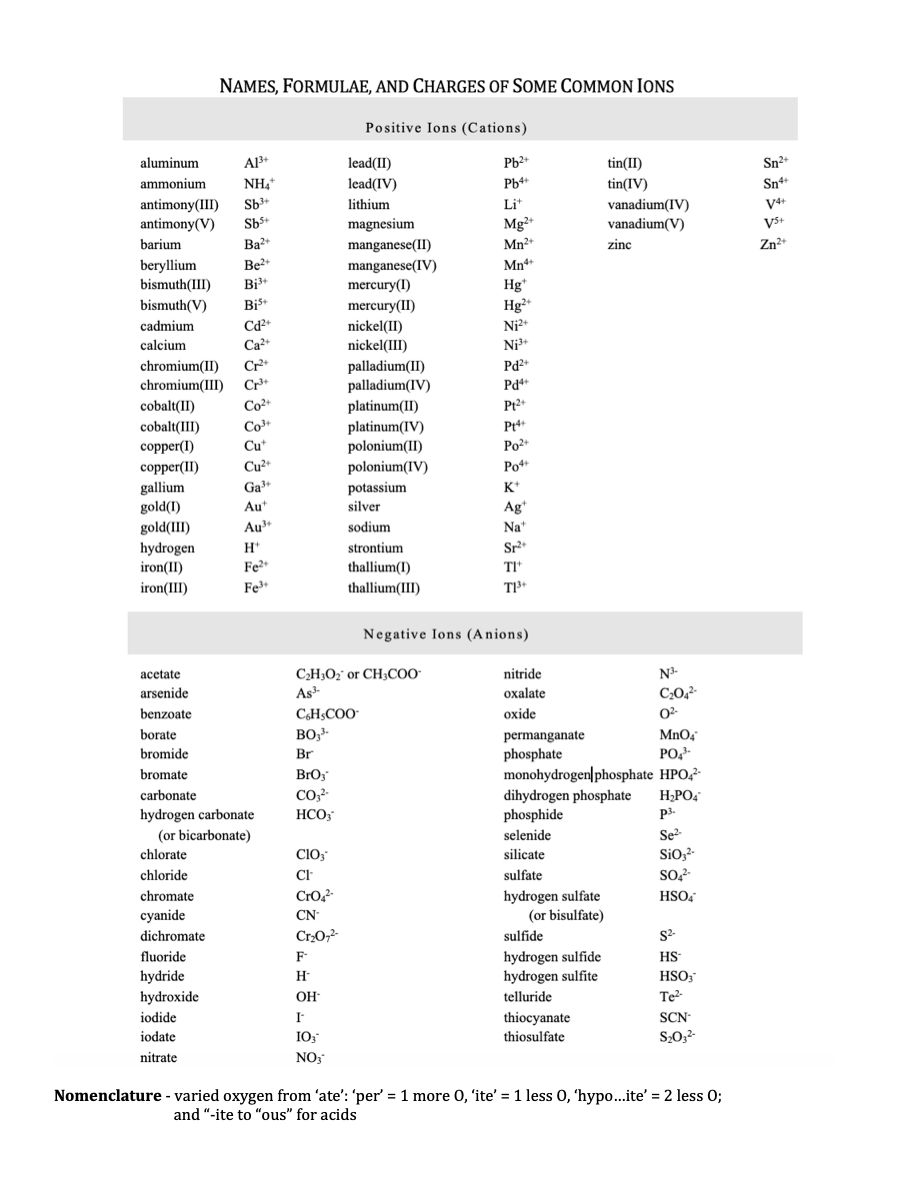
Molecular equation: full formulas · Ionic equation: all aqueous species as ions · Net ionic equation: remove spectator ions — only the ions that actually form the precipitate remain. Use solubility rules to identify which product is the precipitate (s).
Real-World Applications
Solutions and solubility in everyday life
Solubility
Ocean & dissolved oxygen
Cold ocean water holds more dissolved O₂ than warm water (gas solubility decreases with temperature). Polar oceans support more marine life. Ocean warming from climate change reduces dissolved O₂ — threatening fish populations. Classic gas solubility and temperature relationship.
Pressure & gases
Carbonated drinks
CO₂ is dissolved in drinks under high pressure — increasing gas solubility. When you open the can, pressure drops → CO₂ solubility drops → bubbles form and escape. Warming the drink also lowers CO₂ solubility. That's why warm soda goes flat faster.
Supersaturation
Rock candy & recrystallization
Sugar dissolves more in hot water than cold. Dissolve maximum sugar at high temperature, then cool slowly — the solution becomes supersaturated and sugar crystallizes onto a seed crystal. This is recrystallization — used in both candy making and purifying lab chemicals.
Concentration
IV saline solution
Hospital IV bags contain 0.9% NaCl (w/v) — exactly matching blood's salt concentration (isotonic). Too concentrated (hypertonic) → water leaves cells by osmosis → cells shrink. Too dilute (hypotonic) → water enters cells → cells burst. The concentration must be precise!
Precipitation
Hard water & scale buildup
Hard water contains dissolved Ca²⁺ and Mg²⁺ ions. When heated, they react with carbonate ions to form insoluble precipitates (limescale): Ca²⁺ + CO₃²⁻ → CaCO₃(s). This coats kettle elements, pipes, and shower heads — direct application of precipitation reactions.
Dilution
Windshield washer fluid
Concentrated methanol (C₁ ~100%) is diluted with water to make windshield washer fluid. Using C₁V₁ = C₂V₂ — if you want 4L of 30% methanol, you need 1.2L of pure methanol topped up with 2.8L of water. Industrial dilution — the same equation you use in class, at factory scale.
Solutions & Solubility Kahoot
30 questions · 20 seconds each · Speed bonus scoring
🧪
Ready to test your knowledge?
Covers all topics from Miss Peters' slides — definitions, calculations, solubility curves, precipitation
30
Questions
20s
Per question
1000
Max points
Summary
Quick reference — solutions & solubility
ConceptFormula / RuleKey point
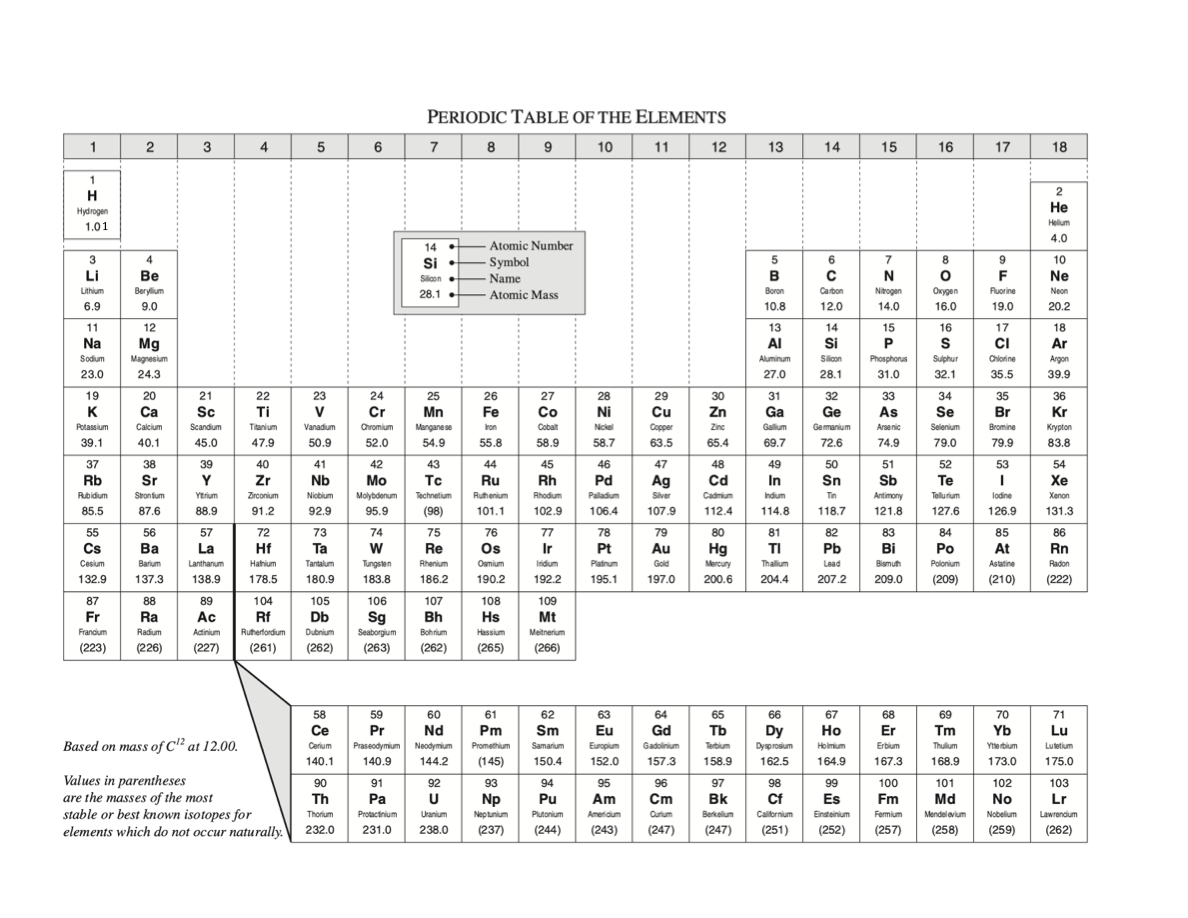
ConcentrationC = n/V (mol/L)n = m/mm first if given mass
DilutionC₁V₁ = C₂V₂Moles conserved; volume increases
MixingC = (C₁V₁+C₂V₂)/(V₁+V₂)Not dilution — adding same solute
DissociationNaCl → Na⁺ + Cl⁻Mole ratio gives ion concentrations
Solubilityg/100mL at given TMost solids↑ with T; gases↓ with T
SaturationSeed crystal testDissolves=unsaturated; crystallizes=supersaturated
PrecipitationUse solubility rulesLow solubility product = precipitate (s)
Net ionic eq.Remove spectator ionsOnly reacting ions remain
Rate of dissolving factors: smaller particle size · stirring · higher temperature · less solute already dissolved
Solubility factors: nature of solute/solvent · temperature · pressure (gases only)
Types of solutions: 9 possible combinations of solid, liquid, gas solute + solid, liquid, gas solvent